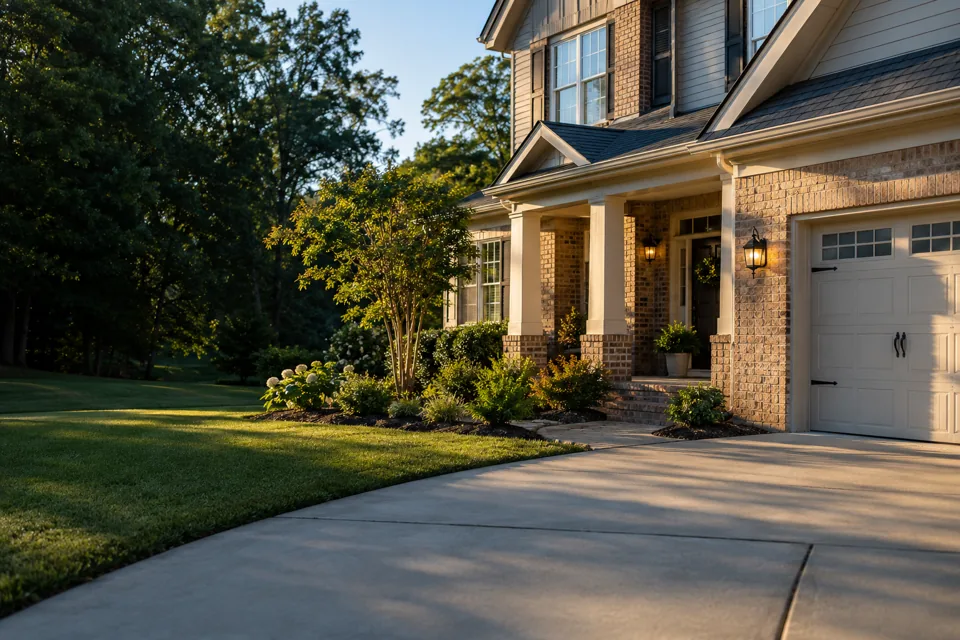
The provider confirms your exact address and availability, because coverage follows service boundaries.
Cities and communities covered
The table lists the home city and the nearby communities where requests are accepted. The provider confirms each property address.
| City | Role | How coverage is confirmed |
|---|---|---|
| Fayetteville | Home city | Confirmed by property address |
| Chambersburg | Nearby community | Confirmed by property address |
| Greencastle | Nearby community | Confirmed by property address |
| Waynesboro | Nearby community | Confirmed by property address |
| Shippensburg | Nearby community | Confirmed by property address |
| Scotland | Nearby community | Confirmed by property address |
| Marion | Nearby community | Confirmed by property address |
How coverage is confirmed
A listed ZIP code is a starting point. When you call or send a request, the provider asks for your street address, the property type and what you need, then confirms whether it can serve you and when. The provider may serve only part of a ZIP code or part of a city, so the confirmation matters.
If your ZIP code is not listed, you can still send a request. The provider will say whether it can help or point you to another business.
What changes the size of a rodent job
One mouse in a kitchen is a very different job from a colony of roof rats in a two-story attic. Look for a written scope that records what the provider found and explains what each part of the work is meant to achieve.
- Attic and crawl space access, and whether insulation is contaminated
- Number and size of entry points, including roof tiles, vents, rooflines, garage door seals and utility chases
- The species and how long the activity has been going on
- Whether you want inspection and trapping only, or exclusion and cleanup as well
- Whether the home sits next to open space, citrus or palm trees, creeks, farms or older sheds
Safety: droppings, nests, pets and children
Rodent droppings, urine and nesting material can carry germs and should be cleaned with care. The CDC and EPA advise ventilating the area, wearing gloves and a respirator rated for the job, wetting droppings with a disinfectant before wiping, and never sweeping or vacuuming them dry.
Keep pets and children out of work areas. Bait is used only in tamper-resistant stations, placed where pets, wildlife and children cannot reach it, and some states restrict certain rodenticides. Exclusion and trapping carry most of the work in those places.
Questions to ask a rodent control provider
- Which rodent do you think I have and what evidence points to it?
- Is cleanup of droppings and insulation part of the scope or separate?
- Where did they get in, and which entry points will you seal?
- Will you use traps, bait or both, and where will each go?
- How many visits are planned and what happens if activity continues?
Common mistakes with rats and mice
- Skipping cleanup. Remaining droppings and urine can draw new rodents.
- Sealing before checking that all animals are out of the structure.
- Using poison alone indoors. Poisoned rodents can die in walls, and bait does not close the entry points.
- Setting a few traps in one place. Rodents follow edges and walls, and traps need to sit on those routes.
- Ignoring the roof and trees. Roof rats use branches, fences and power lines to reach attics.
Prepare your Fayetteville home for rodent work
- Tell the provider about pets, children and any health condition before treatment
- Store pet food and bird seed in sealed metal or hard plastic containers
- Keep trash can lids on and move bins away from the house wall
- Write down where you heard noises, found droppings or saw gnawing, and at what time of day
- Clear access to the attic hatch, garage, crawl space and under-sink cabinets
What makes rodent control different in Fayetteville
Fayetteville is a rural-suburban community in Franklin County, Pennsylvania, with farmland, orchards, barns and detached garages close to homes. Harvest, cold weather and open fields push mice toward houses and outbuildings in fall.
Feed, grain and animal housing support rats near barns and sheds. Older brick and frame houses have crawl spaces, porches and sill gaps that rodents use. Ask the provider how these local conditions change where rodents nest, travel and enter at your address.
How rodent control works from inspection to follow-up
Rodent work is a sequence, and the order matters. Trapping without sealing only replaces the animals you remove. Sealing without trapping can lock a rodent inside the walls. A sound visit does these in order.
- Inspection of the roofline, attic, soffits, vents, foundation, garage, crawl space and utility entries, looking for gnaw marks, rub marks, droppings, nests and runways.
- Identification of the species, because roof rats, Norway rats and house mice travel, nest and take bait differently.
- Trapping or baiting plan: snap traps placed on the travel lines, with tamper-resistant stations outside where rules allow.
- Exclusion: gaps larger than a quarter inch sealed with hardware cloth, steel wool, copper mesh, sheet metal or sealant, and vents and weep holes screened.
- Cleanup and repair recommendations for droppings, contaminated insulation and chewed wiring.
- Follow-up visits to remove traps, check the seals and confirm activity has stopped.
Seasons across the Fayetteville area
Mice move in from fall, rodents nest in attics and sheds through winter, and rats are active around feed and waste all year.
| Season | What to watch | What to do |
|---|---|---|
| Spring | Termite swarms, ants, wasps starting nests | Inspect the foundation, treat early nests, trim plants back |
| Summer | Mosquitoes, cockroaches, fire ants, scorpions | Remove standing water, treat the perimeter, seal door gaps |
| Fall | Rodents and spiders looking for shelter | Seal gaps, screen vents, set traps and clear clutter |
| Winter | Rodents in attics and garages, indoor roaches | Check insulation and noises, plan repairs for spring |